Get Landscape Curbing Installation
Landscape curbing installation services help property owners define and enhance their outdoor spaces, handling projects like decorative borders, garden edging, and walkway accents.
Landscape curbing installation offers a practical way to define and enhance outdoor spaces, making yards more organized and visually appealing. Property owners in the area often explore this service to create clear boundaries between lawn, garden beds, and walkways, which can improve curb appeal and help with property maintenance. Whether planning a new landscape project or updating existing features, exploring local options ensures access to experienced service providers who understand the unique needs of the community’s outdoor environments.
For those considering landscape curbing, comparing local contractors can help identify the right fit for specific project goals. Many property owners seek durable, attractive solutions that complement their overall landscape design. By reviewing available services and expertise in the area, homeowners and business owners can find professionals capable of delivering quality results tailored to their preferences. Keep reading to discover how local service providers can assist in bringing landscape visions to life with professional curb installation.
- Residential landscapes - homeowners seeking to define yard boundaries and enhance curb appeal often need landscape curbing installation.
- Commercial properties - business owners looking to create a polished exterior and manage landscape edges may require professional curb installation.
- Garden bed borders - gardeners wanting to clearly separate planting areas for organization and aesthetic purposes often turn to local contractors.
- Walkways and pathways - property owners aiming to improve safety and accessibility with durable edging solutions may seek curb installation services.
- Driveway borders - those wanting to create a clean, finished look around driveways and parking areas often work with local landscape curbing specialists.
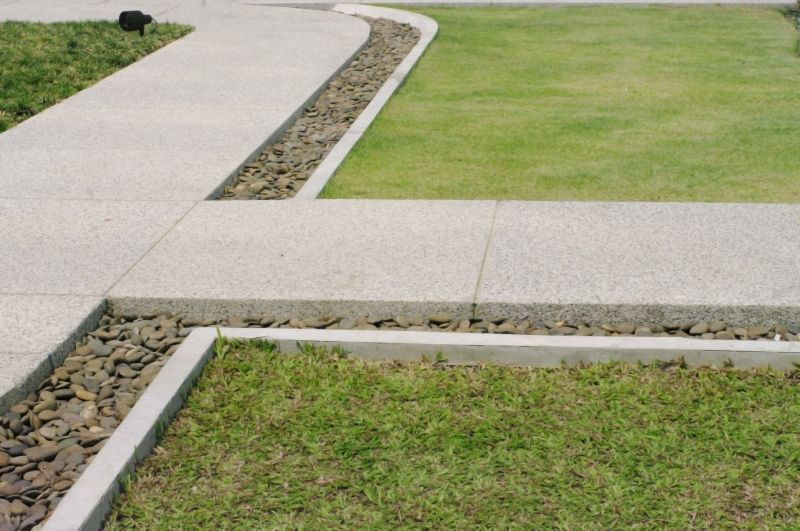
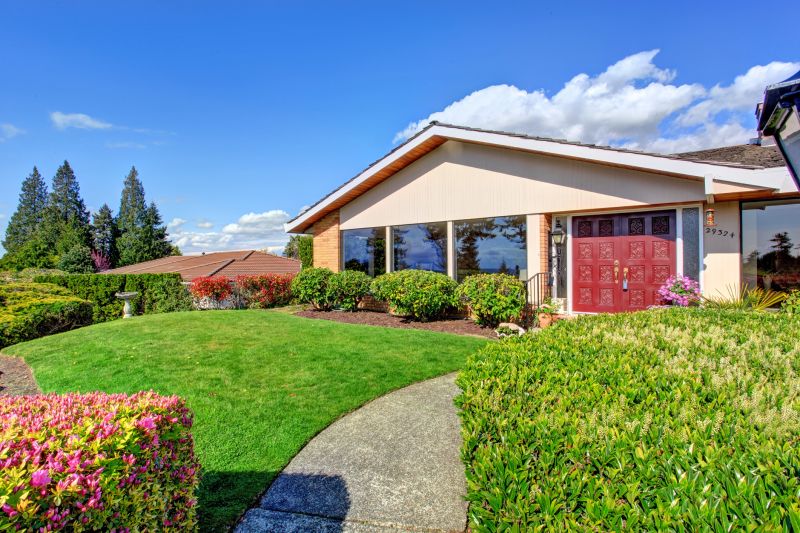
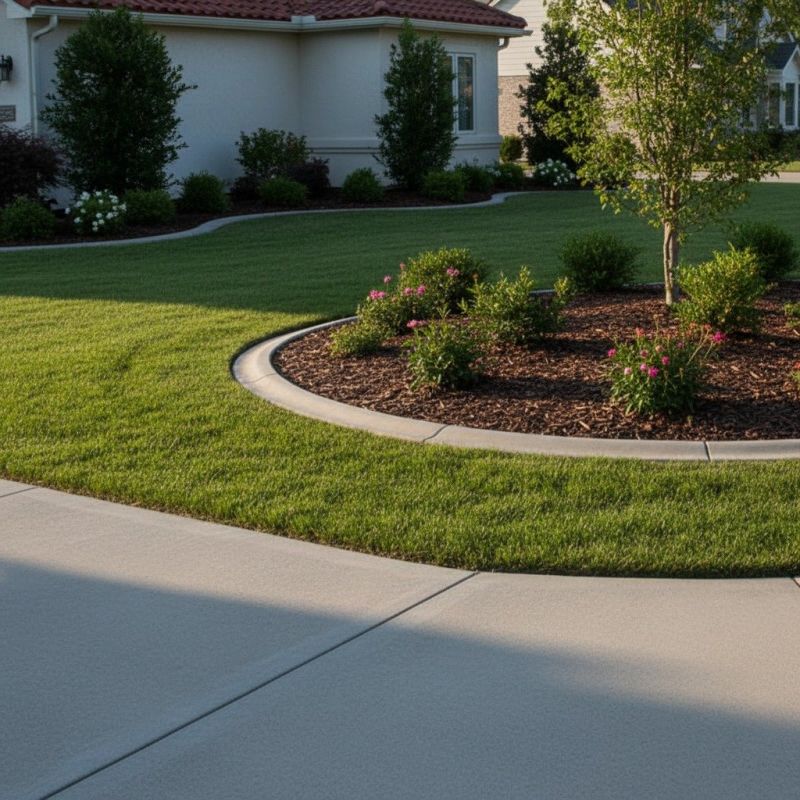
Landscape curbing installation involves the precise placement of durable, decorative borders along garden beds, walkways, driveways, and lawn edges. This service typically includes preparing the area, selecting the appropriate materials such as concrete, stone, or brick, and expertly installing the curbing to create a clean, defined boundary. The goal is to enhance the visual appeal of outdoor spaces while providing a practical barrier that helps contain mulch, gravel, or plants, preventing them from spreading into unwanted areas.
One common problem that landscape curbing helps address is the issue of garden bed erosion and debris spread. Without a defined border, mulch and soil can wash away during heavy rains, leading to uneven landscaping and increased maintenance. Curbing also helps prevent grass from encroaching into flower beds, reducing the need for constant trimming and upkeep. Additionally, it can serve as a safety feature by creating clear, stable edges that reduce trip hazards along walkways and driveways.
Properties that often utilize landscape curbing include residential lawns, commercial properties, parks, and community gardens. Homeowners may choose curbing to add a polished look to their yard, define different landscape zones, or improve curb appeal. Commercial properties and public spaces frequently use it to create durable, low-maintenance borders that withstand foot traffic and weather changes. Overall, landscape curbing is a versatile enhancement suitable for many property types seeking both aesthetic appeal and functional benefits.
Homeowners considering landscape curbing installation typically do so when they want to improve the organization and appearance of their outdoor areas. It is also a practical solution for those dealing with soil erosion, mulch displacement, or overgrown grass edges. Whether installing it around flower beds, along pathways, or to define different sections of a yard, local contractors can provide the expertise needed to ensure a professional and lasting result. Contacting experienced service providers can help determine the best materials and design options to suit specific property needs.
The overview below groups typical Landscape Curbing Installation projects into broad ranges so you can see how smaller, mid-sized, and larger jobs often compare in your area.
In many markets, a large share of routine jobs stays in the lower and middle ranges, while only a smaller percentage of projects moves into the highest bands when the work is more complex or site conditions are harder than average.
Smaller Repairs - typical costs for minor landscape curbing repairs or touch-ups usually range from $250 to $600. Many routine projects fall within this middle range, depending on the scope and materials used. Fewer projects tend to require costs at the higher or lower ends of this spectrum.
Basic Installation - installing new landscape curbing for a standard yard generally costs between $1,000 and $3,000. Local contractors often find that most projects land in this range, with larger or more intricate designs pushing costs upward.
Custom Designs - more elaborate or personalized landscape curbing projects can range from $3,000 to $6,000 or more. Many projects in this tier involve detailed work, though only a smaller percentage reach the highest price brackets.
Full Replacement - replacing existing curbing on a large property or with premium materials can cost $6,000 to $10,000 or higher. Such comprehensive projects are less common and typically represent the upper end of the cost spectrum for local service providers.
Actual totals will depend on details like access to the work area, the scope of the project, and the materials selected, so use these as general starting points rather than exact figures.
Retaining Wall Construction - this project involves building structures that require precise planning and the use of similar tools as landscape curbing to ensure stability and aesthetic appeal.
Garden Edging Installation - installing garden borders shares skills in material handling, planning, and precise placement comparable to landscape curbing work.
Driveway Bordering - creating defined edges for driveways involves similar techniques and tools used for installing landscape curbing to achieve clean, durable lines.
Pathway and Walkway Edging - designing and installing pathways requires careful planning and the use of edging materials, aligning with the skills needed for curb installation.
Landscape Bed Edging - defining garden beds with edging materials involves similar planning and installation skills as landscape curbing projects.
Concrete Paver Installation - laying pavers for patios or walkways involves precise placement and planning, akin to the skills used in landscape curbing installation.
When comparing landscape curbing installation services, it’s important to evaluate the experience of local contractors with similar projects. Homeowners should inquire about how long a service provider has been working on landscape curbing and whether they have completed projects comparable in size and style. An experienced contractor will understand the nuances of different materials, design preferences, and site conditions, helping to ensure the final result meets expectations. Gathering information about past projects can provide insight into their familiarity with landscape curbing and their ability to handle specific design or terrain considerations.
Clear, written expectations are essential to a successful project. Homeowners should seek detailed proposals or estimates that outline the scope of work, materials to be used, and any additional services included. Having this information in writing helps prevent misunderstandings and provides a reference point throughout the project. Reputable service providers are typically transparent about their process and willing to discuss project details, which can help homeowners feel confident about the work plan and ensure everyone is aligned on the desired outcome.
Good communication and reputable references are key factors when selecting local contractors. Homeowners are encouraged to ask for references from previous clients or to review testimonials that speak to the contractor’s professionalism, reliability, and quality of work. Open and responsive communication during the initial phases can also indicate how well a service provider will handle questions, updates, and potential issues as the project progresses. It’s important to remember that this site introduces homeowners to local options for landscape curbing installation, serving as a resource to connect with qualified service providers rather than performing the work directly.
Property owners use Landscape Curbing Installation services for practical projects around their homes and businesses. This guide focuses on everyday jobs and straightforward project options.
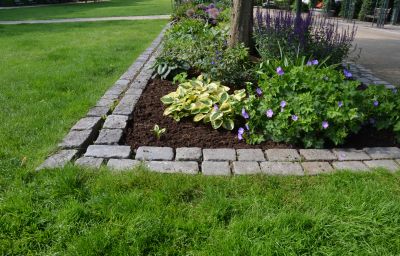
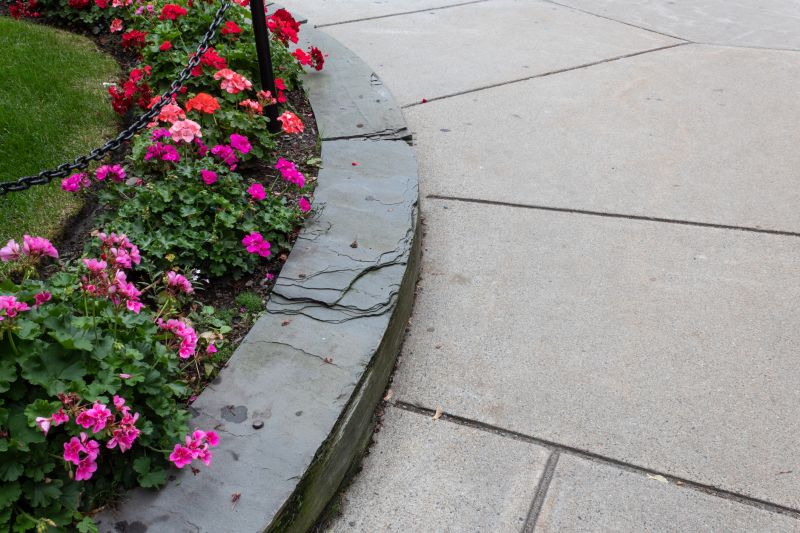
Landscape curbing installation is often sought after by property owners looking to define garden beds, pathways, or lawn areas with a clean, polished look. Many individuals choose to enhance the curb appeal of their homes or improve the overall organization of their outdoor spaces. Local contractors can provide the expertise needed to install durable, attractive borders that help keep mulch, gravel, or other landscaping materials in place, reducing maintenance and preventing erosion.
Property owners may also seek landscape curbing services when planning to add decorative elements or improve the functionality of their outdoor environments. Whether updating an existing landscape or creating a new design, local service providers can assist with custom shapes and styles that complement the property's aesthetic. These projects are common for homeowners looking to add value and visual interest to their outdoor spaces.
What is landscape curbing installation? Landscape curbing installation involves adding decorative borders made from concrete, stone, or other materials to define garden beds, walkways, or lawns, enhancing curb appeal and organization.
What materials are commonly used for landscape curbing? Common materials include concrete, brick, stone, and paver materials, each offering different styles and durability options for outdoor edging.
Can landscape curbing be customized to match existing outdoor features? Yes, landscape curbing can be customized in various colors, shapes, and styles to complement existing landscaping and outdoor design preferences.
Are there different styles of landscape curbing available? Yes, options include traditional, textured, stamped, and decorative styles, allowing for a variety of aesthetic choices to suit different landscape designs.
How do local contractors handle landscape curbing installation? Local service providers typically handle the entire installation process, from site preparation to finishing touches, ensuring the curb is properly installed and durable.
Garden Bed Edging - Property owners can define flower beds and vegetable gardens with durable curbings that keep soil and mulch in place.
Driveway and Pathway Borders - Installing curbings around driveways and walkways helps create clear, clean lines and prevents grass or gravel from spreading.
Lawn and Yard Edging - Adding curbings along lawns can create neat separations between grass and other landscaping features for a polished look.
Outdoor Living Spaces - Property owners can enhance patios and outdoor areas by installing curbings that define seating areas and garden borders.
If you are thinking about Landscape Curbing Installation for a property, this guide is meant to help you understand the work, the typical project types, and how different options might fit your plans.
When you are ready, you can use the quote form on this page to share a few details about your project. From there, local pros can review the basics and respond with options that match what you have in mind.